


Walk into any room, scroll through an app, or glance at a billboard, and you’re immediately greeted by color. Not just decoration—color has power. It evokes emotion, triggers memories, and even shapes our behavior. We rarely think about it, but our preferences, moods, and even decision-making can be swayed by the colors around us.
Red screams urgency. Blue whispers calm. Yellow sparks curiosity. These associations aren’t random—they’re rooted in both cultural context and human biology. For centuries, artists and designers have tapped into this psychological toolkit to elicit specific reactions. Brands do it. Interior designers swear by it. Even social media influencers adjust their filters to stay “on vibe.”
Ever wonder why spas stick to earth tones and pale greens? Or why fast food chains love red and yellow? It’s no accident. Those choices are backed by psychological studies that show how color impacts perception. Earth tones slow the heart rate. Red, on the other hand, increases appetite and attention. That’s why it dominates everything from sale signs to sports logos.
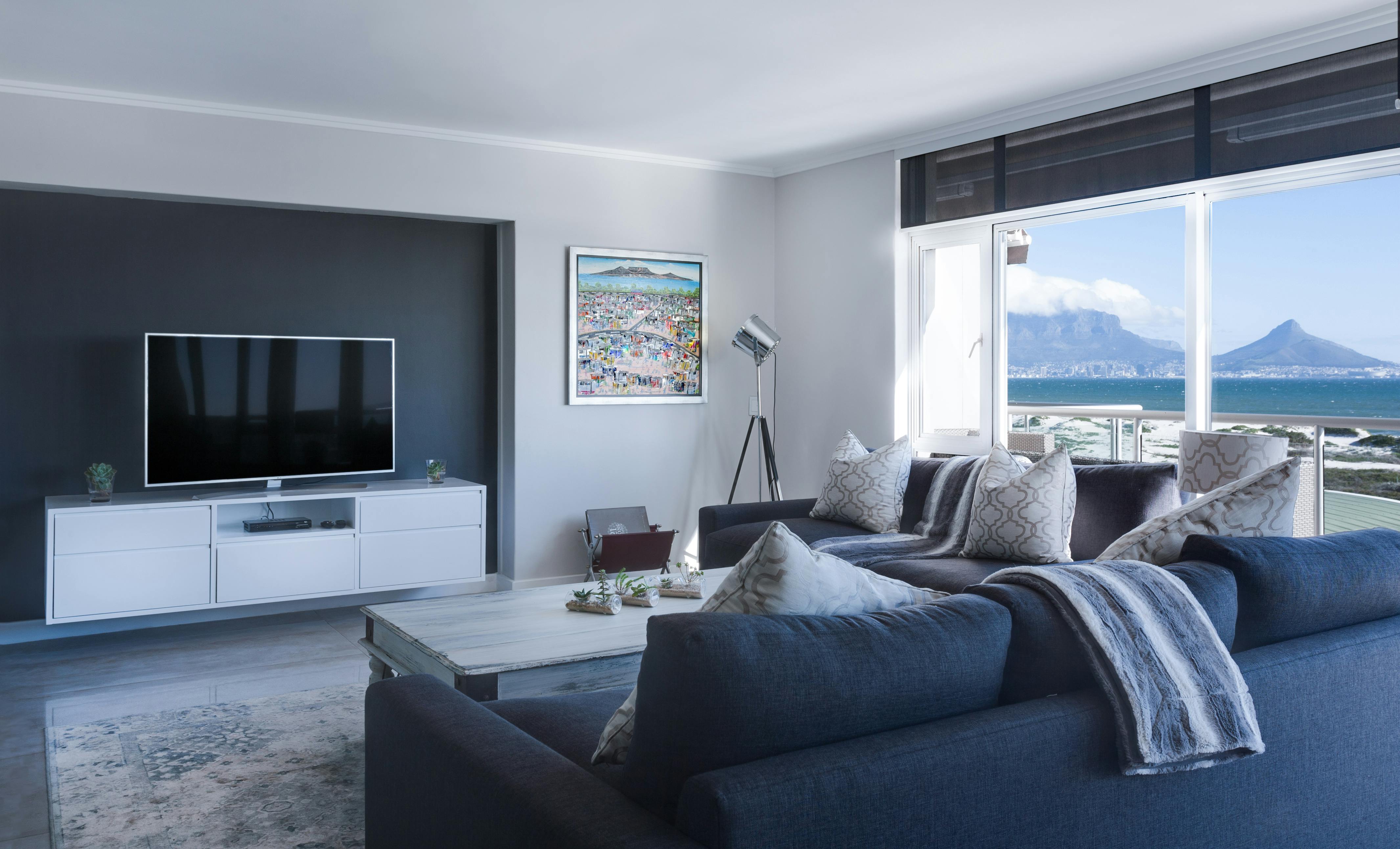
Let’s zoom in on home design. If you’ve ever felt oddly relaxed in a grey-toned living room or invigorated by a bright kitchen, that’s color psychology at work. Cool tones like blue and green can make a space feel more spacious and serene. Warm tones like orange and terracotta can make a large area feel more intimate.
This extends to personal style too. People often reach for certain colors based on mood. Wearing black can signal confidence or comfort. Let’s zoom in on home design. Yellow can brighten not just the outfit, but the outlook of the person wearing it. Some even swear by “power colors”—shades that help them feel bold, focused, or lucky on a big day.
Design trends evolve, but the psychological influence of color stays consistent. Recently, the rise of dopamine decor—using bold, joyful hues to create an emotional lift—has taken off. In a post-pandemic world where home is our sanctuary, people are trading minimalism for vibrancy. Think electric blues, juicy oranges, and unapologetic neons. These aren’t just statements—they’re emotional tools.
The same principle applies in entertainment. Whether you’re watching a movie, playing a game, or scrolling through digital interfaces, designers choose color schemes carefully. Ever noticed how most video game health bars are red? Or how fantasy games lean into moody purples and blacks? Those aren’t random picks—they help immerse you in a specific emotional environment.
Take something like casino slots online. The designs are vibrant for a reason. Flashing colors, thematic palettes, and glowing animations don’t just attract attention—they enhance the immersive experience. Whether it’s golds and reds to create a sense of luxury or tropical blues to mimic a beach getaway, the visual cues are all strategic. Let’s zoom in on home design. They’re meant to make you feel something, whether it’s excitement, nostalgia, or a little bit of both.
This connection between color and emotion also ties into memory. Colors help us recall events, places, and emotions more vividly. Let’s zoom in on home design. A bright orange from your childhood kitchen. The forest green of a school uniform. These shades stick because they’re tied to experiences. It’s why companies invest in color consistency—to anchor their identity in your memory.
It’s also why mood boards work. When people start projects—whether redecorating a bedroom or planning a wedding—they often begin with color. It helps set the emotional tone. A blush-and-sage wedding feels romantic and soft. A black-and-gold party theme leans luxurious and high-energy. The colors do the talking before anyone else can.
In digital spaces, color guides user behavior too. Ever noticed how many “Buy Now” buttons are orange? That’s because orange combines the urgency of red and the friendliness of yellow. Let’s zoom in on home design. It nudges without yelling. Even websites tweak their palettes depending on what they want you to feel—trust, urgency, calm, or curiosity.
But not all reactions are universal. Culture plays a big role. While white symbolizes purity in many Western cultures, it represents mourning in some Eastern ones. Red can mean love, danger, or celebration depending on the context. So designers have to consider audience as much as aesthetic.
Still, color remains one of the most accessible tools in any creative’s kit. It doesn’t cost extra to paint a wall a new shade or pick out a shirt in a mood-boosting color. It’s one of the quickest ways to influence how something feels—without saying a single word.
In the end, our response to color is both instinctive and learned. It’s shaped by biology, molded by culture, and sharpened by personal experience. But no matter the source, the impact is undeniable. Color speaks—loudly, softly, emotionally. And if you know how to listen, it can change the way you see everything.
 Ben Herzog