


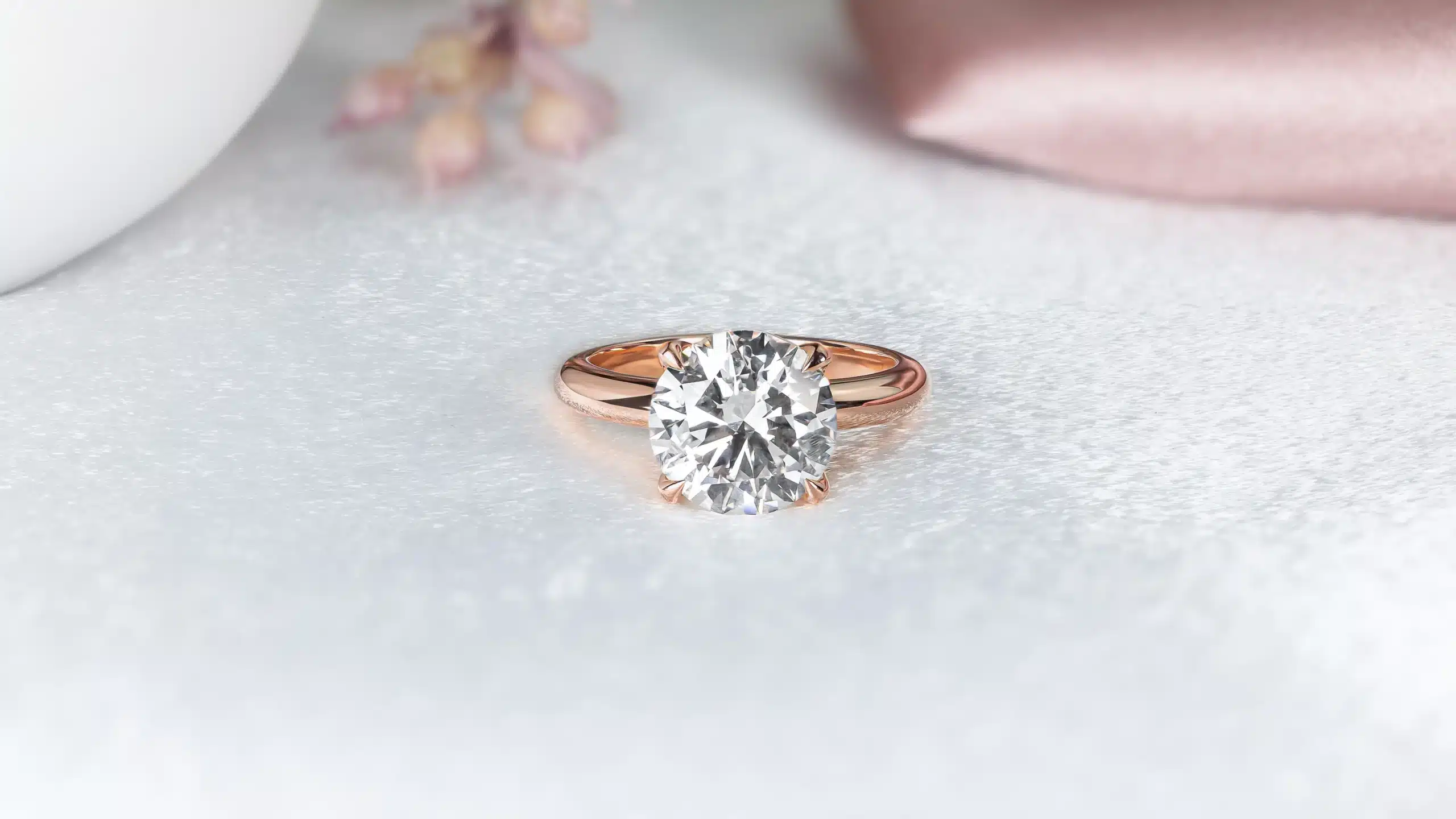
When someone says “man made diamonds,” what pops into your head? Fake? Cheaper? Too good to be true? Honestly, you wouldn’t be alone. But here’s the kicker—these diamonds are real. Not “fake like cubic zirconia” real, but chemically and physically identical to what you’d dig out of the ground. The big debate, though, usually comes down to HPHT vs CVD. Which method is better? Which makes the “nicer” stone? And if you’re shopping for an engagement ring or even a cool pendant, does it even matter?
A Quick Backstory: Why Man Made Diamonds Even Exist
Think about it. Diamonds have always been wrapped in mystery, luxury, and let’s be honest—some pretty wild marketing campaigns. “A diamond is forever”? That was pure advertising genius.
But behind the sparkle, natural diamonds come with baggage. Mining can be messy. Both environmentally and ethically. Enter science. Scientists figured out how to recreate the same natural conditions that form diamonds—just sped up in a lab. That’s where man made diamonds entered the scene.
And honestly, they look so much like mined diamonds that even jewelers need special equipment to tell them apart. If you’ve ever walked into a jewellery store and couldn’t spot the difference… that’s the point.
HPHT vs CVD: What’s the Buzz?
Alright, so two big ways to make lab-grown diamonds:
HPHT (High Pressure High Temperature)
Imagine mimicking the earth. Super high pressure. Super high heat. Carbon is squeezed until it crystallizes into diamond. Simple idea, but insanely powerful.
CVD (Chemical Vapor Deposition)
Totally different vibe. Instead of squeezing carbon, think about gas. Carbon-rich gases get broken down in a chamber, and those carbon atoms settle on a seed crystal—layer by layer—like growing a diamond pancake.
Now, people love to debate HPHT vs CVD. Some say HPHT produces diamonds with more color consistency. Others argue CVD gives better clarity. To be fair, both methods have leveled up a lot in the past decade, so you’re basically getting top-tier sparkle either way.
So… Which One Should You Choose?
Here’s where it gets fun. Because honestly, it’s not as black and white as you’d think.
- Want larger stones? HPHT has the edge here.
- Looking for fewer inclusions? CVD can be a strong choice.
- On a budget? Both are still more affordable than mined diamonds, but CVD often runs slightly cheaper.
- Love perfect colorless gems? HPHT shines (literally) at producing those icy-white diamonds.
The truth? Unless you’re a gemologist or a jeweler with a microscope, you probably won’t see the difference. Your friends won’t either. The sparkle is the sparkle.
The Local Angle: Why People Are Catching On
Go back ten years. If you walked into a high-end jewellery store and asked about lab diamonds, you’d probably get a raised eyebrow. Fast forward to today? Big brands—think Cartier, Pandora, even De Beers—are getting into it.
The appeal is pretty clear:
- They’re kinder to the planet.
- They’re conflict-free (a big relief for anyone who’s man made diamonds).
- And they’re easier on the wallet.
It’s not just about “saving money” though. Some people love the fact that lab diamonds feel modern. A tech-driven love story, if you will. Imagine telling your fiancé, “Your ring was grown with plasma gas and lasers.” Geeky? Sure. But also kinda cool.
How It Actually Works (Without the Boring Jargon)
Alright, let’s break down the two processes in plain English:
HPHT:
- Step 1: Take a tiny diamond seed.
- Step 2: Put it under crazy pressure and heat (we’re talking millions of pounds of pressure and thousands of degrees).
- Step 3: Add carbon. Watch it crystallize. Boom, diamond.
CVD:
- Step 1: Place a seed in a sealed chamber.
- Step 2: Pump in carbon-rich gases.
- Step 3: Heat the gas until it breaks down, so carbon atoms rain down and stick to the seed.
- Step 4: Repeat until you’ve grown a full diamond.
That’s it. Both sound like something out of a sci-fi movie, but the result is the same: a diamond you can wear, propose with, or flaunt on Instagram.
The Bigger Picture
Here’s the truth most people don’t say out loud: choosing between HPHT and CVD isn’t a life-or-death decision. Both give you a diamond that’s beautiful, durable, and real. What it really comes down to is preference, budget, and maybe the story you want to tell.
Some people care about the science. Others just want something that sparkles like crazy in candlelight. And you know what? Both are valid.
Final Word
At the end of the day, the whole HPHT vs CVD debate is kind of like arguing about iPhone vs Android. Both do the job. Both have their fans. And both make sense, depending on what you value.
What matters is this: man made diamonds are here to stay. They’re not a trend. They’re the future of jewellery. Whether you’re buying a ring, necklace, or just daydreaming about your next big purchase, don’t get too hung up on the method. Get what feels right.
 admin
admin